
Evidence state
OfficialConfirmed now
- The sequel keeps the franchise’s graveyard-management identity.
- The Town moves from a long-running reference to a restorable location.
- Zombies expand from labor into specialized factory and combat roles.
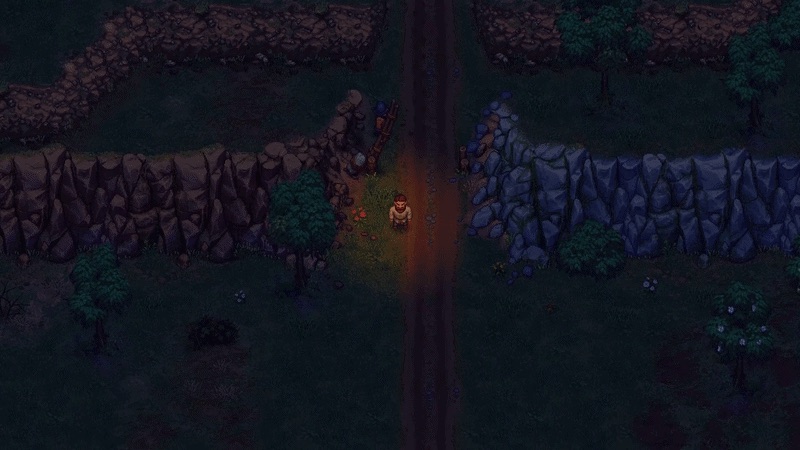
- The visual implementation moves from 2D to 3D while retaining a fixed viewpoint.
Launch check
- Which original mechanics return unchanged, reworked, or removed.
- How story continuity is presented to new players.
- Whether saves, choices, or data carry over—none is currently confirmed.
01Graveyard core→
02Expanded zombies→
03The Town→
04Army combat→
053D world
Familiar names do not prove identical formulas.
FIELD DECISION / 01
What to do with this information
- Use GK1 knowledge as orientation, not a numeric template.
- Expect familiar visual language with materially broader systems.
- Do not assume save transfer, cross-progression, or identical recipes.
LEDGER NOTE / 02
The biggest structural change
The original’s distant Town becomes the sequel’s operating center. Restoring districts creates markets and resources and changes the corpse stream, so city work loops back into graveyard management. That one connection explains much of the sequel’s larger scope.
LEDGER NOTE / 03
Technology without losing the silhouette
Lazy Bear describes the world as fully 3D, enabling true dynamic shadows, moving weather, water work, fog, and modular Town construction. The camera and pixel-inspired spirit remain recognizable, which is why screenshots can feel familiar despite the underlying change.