
Evidence state
OfficialConfirmed now
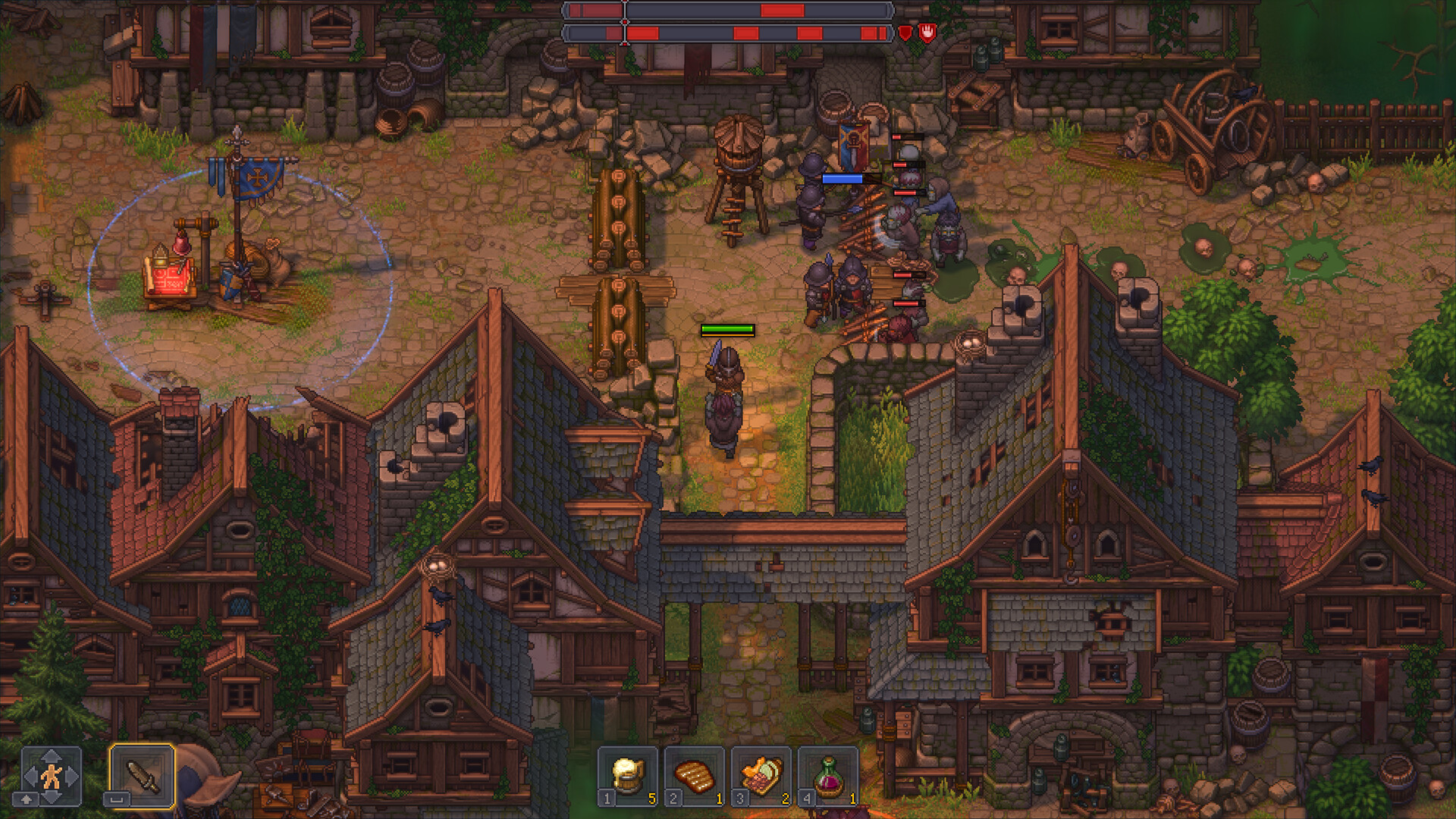
- The player leads an undead army into battle.
- Towers and fortifications defend The Town.
- Weapons and armor can be crafted for combat.
- Troops can be armed and trained.
Launch check
- Damage, armor, health, targeting, and formation systems.
- Unit capacity, casualties, revival, and gear restrictions.
- Encounter order, difficulty scaling, and rewards.
01Craft supplies→
02Arm troops→
03Build defenses→
04Fight hostile undead→
05Secure district
No damage, armor, or formation values are assumed.
FIELD DECISION / 01
What to do with this information
- Prepare by understanding roles, not copying a fictional loadout.
- Observe what a fortification controls before assigning value.
- Treat worker and combat zombie advice as separate until role switching is verified.
LEDGER NOTE / 02
Combat serves restoration
Official material ties battle to restoring peace and rebuilding The Town. That makes combat progression part of the city loop, not an isolated arena system. The most useful launch guide will track what each secured area unlocks outside combat as well as its enemies.
LEDGER NOTE / 03
A safe preparation model
Before numbers are known, players can still plan categories: personal survival, troop readiness, gear supply, fixed defenses, and post-battle recovery. The field-order diagram uses those categories without assigning imaginary values.