
Evidence state
OfficialConfirmed now
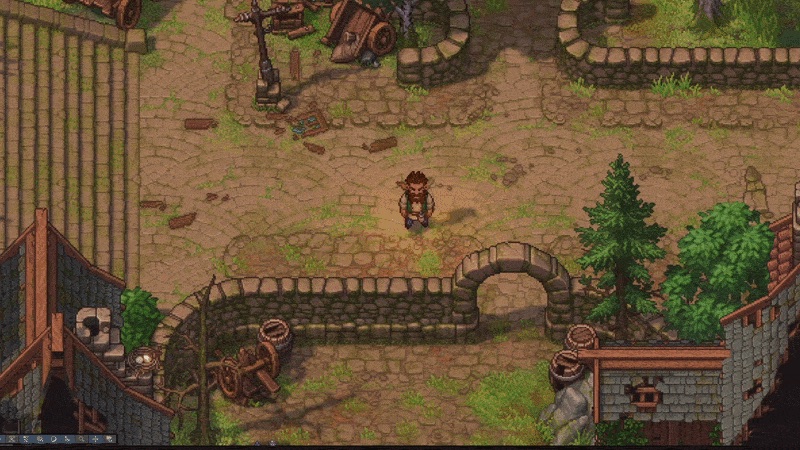
- The world is built in 3D.
- The camera remains fixed in the familiar style.
- Sun and nighttime lighting produce dynamic shadows.
- Trees and grass react to wind and weather.
- Water, fog, and a modular Town construction kit receive dedicated technical work.
Launch check
- Graphics settings and platform differences.
- Performance cost of lighting, fog, and weather.
- Accessibility options related to motion, contrast, and effects.
013D world→
02Fixed viewpoint→
03Dynamic light→
04Weather + water→
05Dense Town kit
Platform performance remains unmeasured.
FIELD DECISION / 01
What to do with this information
- Judge screenshots as visual evidence, not performance benchmarks.
- Use the PC requirements page for hardware facts.
- Wait for matched scenes before claiming one platform looks better.
LEDGER NOTE / 02
3D without a genre reset
The change is technical more than cinematic. By retaining the fixed viewpoint, the team can add depth, weather, and lighting without turning the game into a free-camera action RPG. The result keeps the readable management silhouette while expanding how environments react.
LEDGER NOTE / 03
The Town needed a construction system
The team did not want a large village made from isolated houses. A dedicated modular kit lets artists assemble dense city structure quickly and spend more time on unique details. That production decision explains the layered roofs, alleys, walls, and district-scale scenes in official media.